Hot-weather preparation has two tracks: the vehicle must manage heat and the people inside must be protected from it. A topped-up reservoir cannot make an overheating vehicle safe, and an emergency water bottle cannot make a parked cabin safe for a child. Work through both tracks before the hottest day or a summer trip arrives.
NHTSA's summer guidance emphasizes air conditioning, tires, cooling, fluids, batteries, lights, wipers, route planning, and passenger safety. Use that as a framework, then apply the specifications and procedures in the exact vehicle manual.
Do fixable checks before the heat arrives
Start early enough to obtain an inspection or part without disrupting a trip. Review unresolved warning lights, recurring leaks, slow cranking, weak air-conditioning performance, visible tire damage, and overdue manufacturer-scheduled service. Check for open safety recalls by VIN or license plate where NHTSA's tool supports it.
Early preparation is not a promise that the vehicle will avoid a breakdown. It is a chance to resolve known evidence under controlled conditions instead of diagnosing it on a hot shoulder.
Check tires cold, not after a hot drive
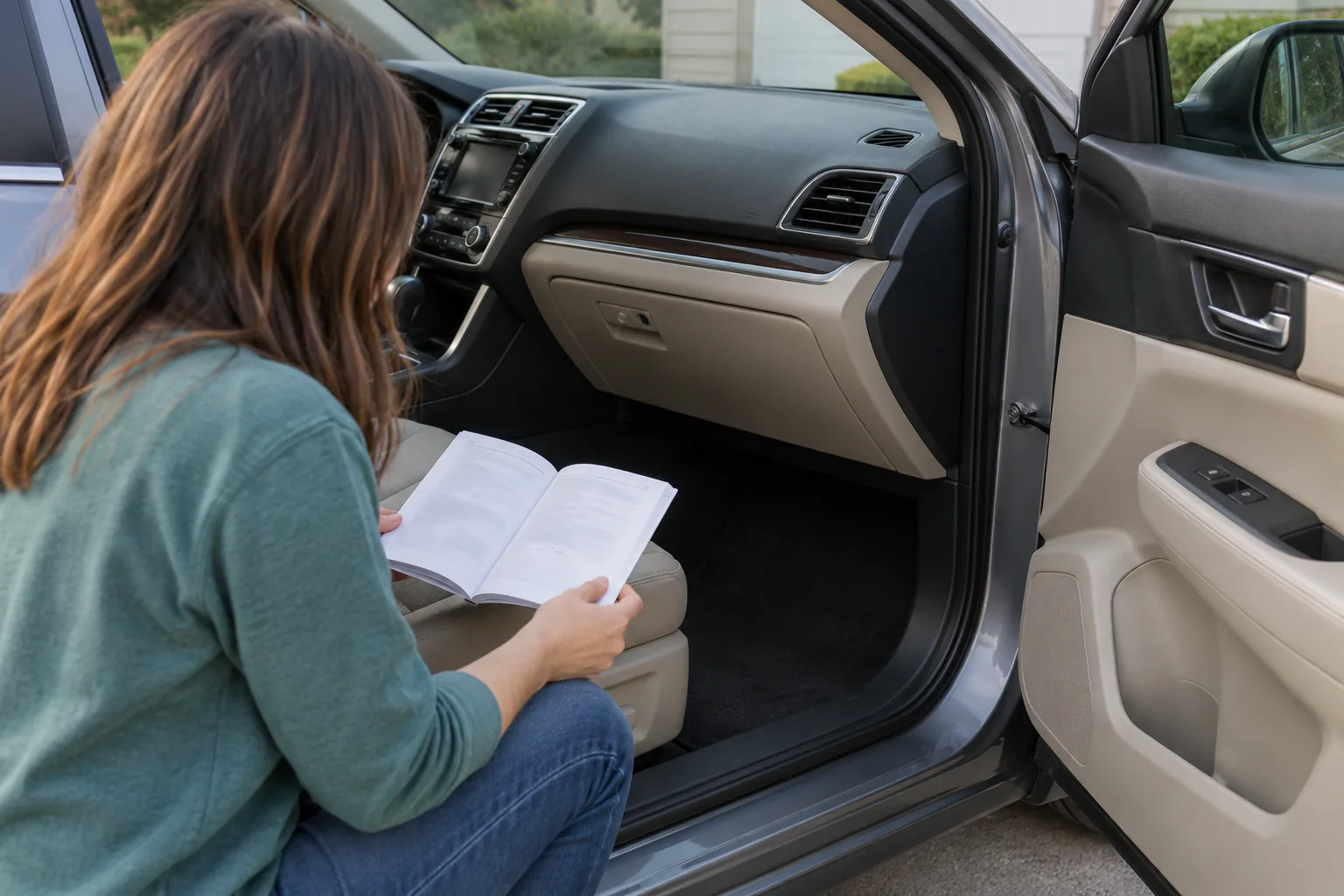
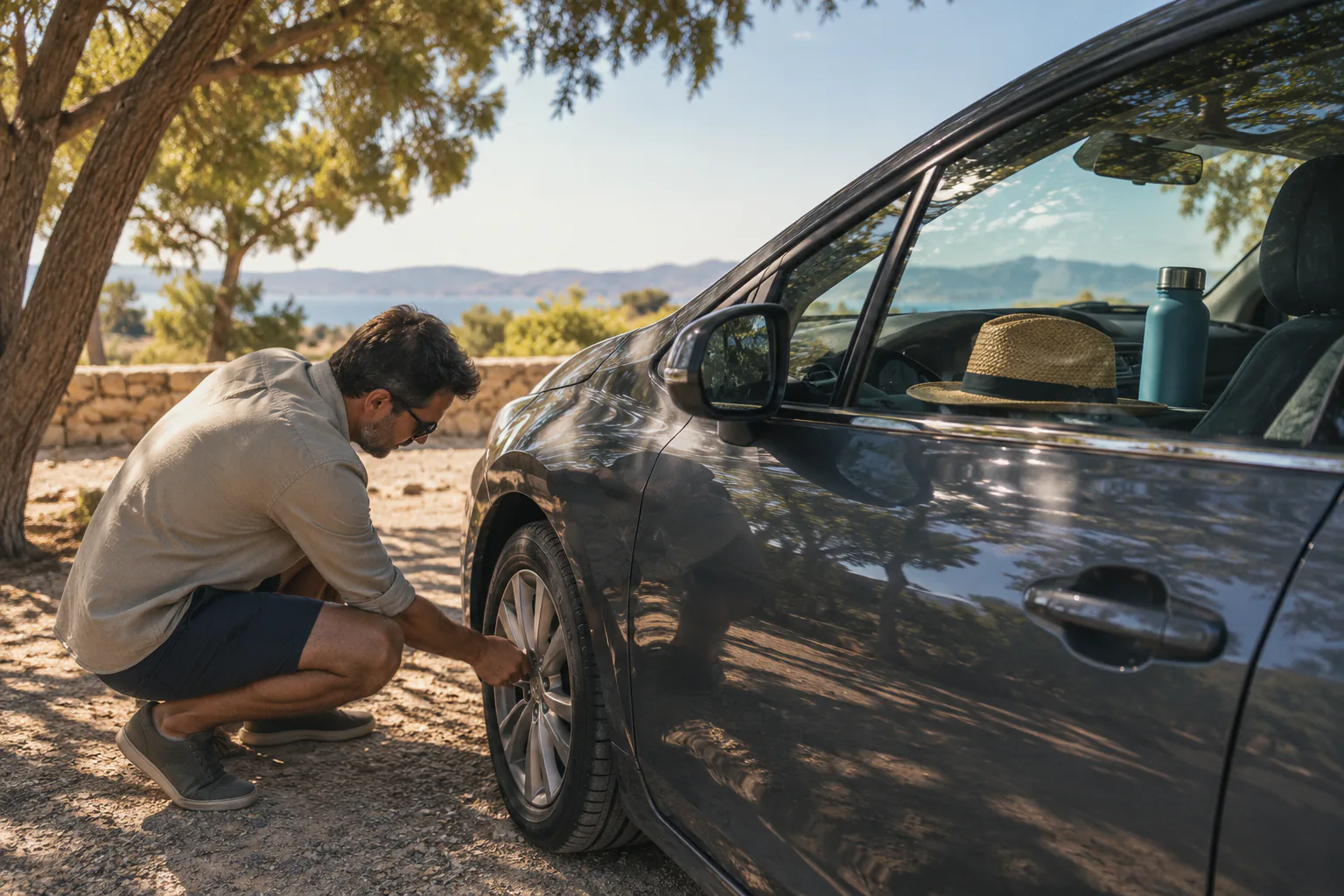
Use the pressure on the vehicle placard or in the owner manual. Measure when the tires meet the manufacturer's definition of cold; NHTSA describes this as at least three hours after driving. Do not use the maximum pressure molded into the tire sidewall as the vehicle target.
Pressure normally rises as a tire warms. Do not bleed a hot tire down to the cold target, because it may become underinflated when it cools. If a reading is unexpectedly high or low, let conditions stabilize and verify with a reliable gauge. A tire that repeatedly loses pressure needs inspection.
Inspect tread and sidewalls for cuts, punctures, bulges, cracking, exposed material, or uneven wear. Measure tread rather than relying only on appearance, and include the spare where fitted. Confirm the load will remain within the vehicle's tire and loading label. Heat, speed, underinflation, damage, and excess load are a poor combination; correcting the placard pressure does not erase structural damage.
Treat the cooling system as pressurized and model-specific
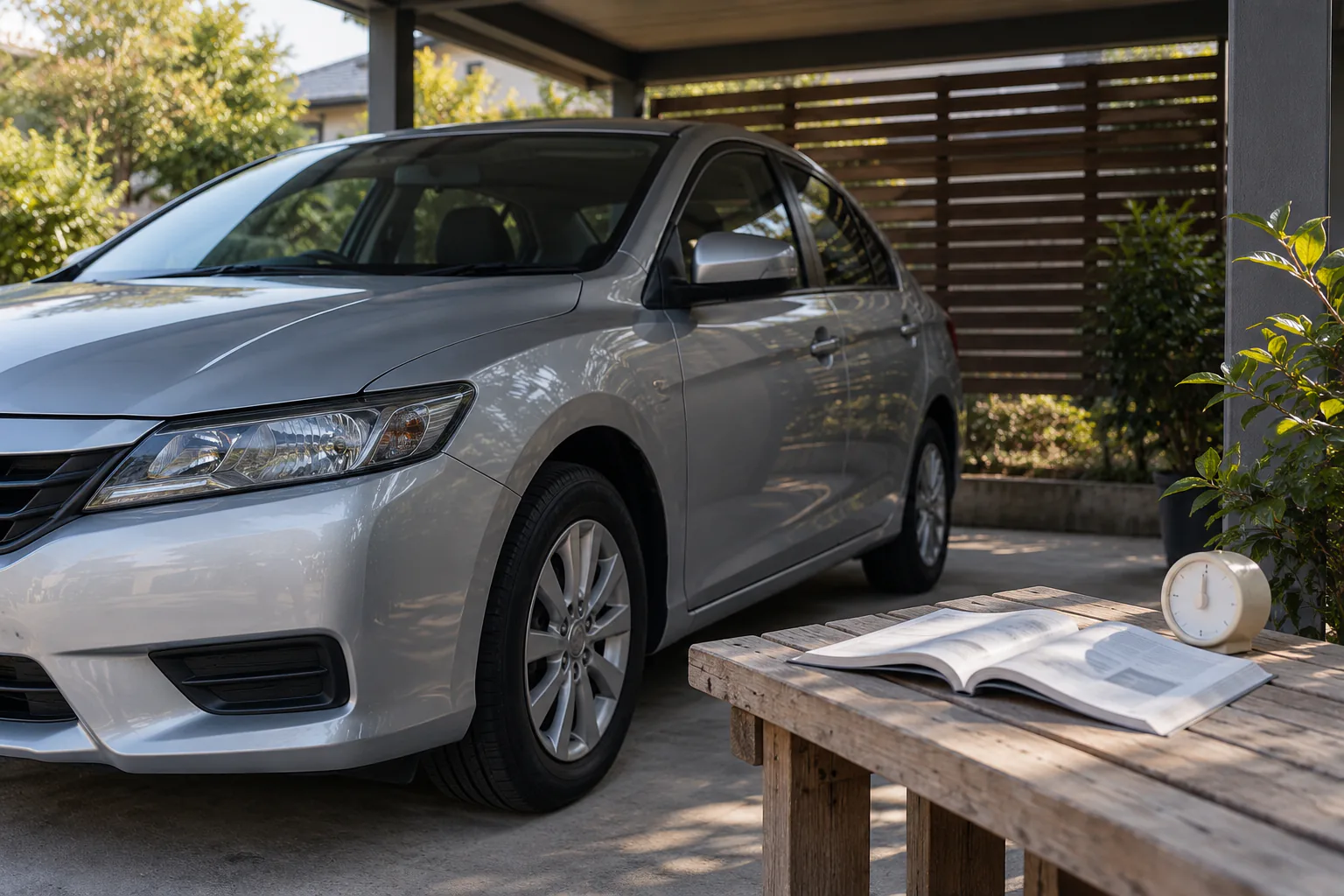
Read the manual before locating coolant reservoirs or opening anything. Check levels only under the specified temperature and vehicle conditions. Use the exact coolant specification; color alone is not a reliable compatibility test.
Never remove a radiator or pressurized coolant cap from a hot engine. Escaping coolant and steam can cause severe burns. If a temperature warning appears, the gauge moves into a danger zone, steam is visible, or power changes, follow the manual's overheating procedure and reach a safe stop. Do not assume adding bottled water will correct a leak, failed fan, pump problem, or other loss of cooling.
Look for dried residue, fresh wetness, damaged visible hoses, or repeated level loss only when the engine is cold. A small top-up may be allowed by the manual, but recurring loss needs diagnosis. The reason for the loss matters as much as the level.
Review other fluids without turning the check into a top-up contest
Check engine oil using the approved dipstick or electronic procedure. Review washer fluid, brake fluid, transmission fluid, and power-steering fluid only where the vehicle provides an owner-check method. Many modern systems are sealed, temperature-sensitive, or not intended for casual opening.
Use the specified product and avoid overfilling. An empty or repeatedly low reservoir can be evidence of a leak or wear, not an invitation to keep pouring. Fuel, brake-fluid, and unknown leaks require conservative decisions, especially near hot components.
Battery, belts, and hoses
Heat can expose a marginal 12-volt battery or charging problem. Note slow cranking, electrical resets, a battery warning, swelling, leakage, damaged cables, or heavy corrosion. NHTSA advises having the battery and charging system checked for needed repairs. Home voltage readings have limits and do not replace a controlled load or conductance test.
With the engine cold and off, visually inspect accessible belts and hoses for cracks, cuts, glazing, fraying, bulges, blisters, contamination, or loose-looking connections. Do not touch a belt, fan, tensioner, hot hose, or pressurized connection. Electric fans can operate unexpectedly, and hybrid or electric high-voltage systems are outside a general owner check.
Visibility and cabin cooling
Inspect wiper blades on both sides and replace them if they are damaged or deformed, using the correct fitment and service-position procedure. Fill washer fluid with an appropriate product. Verify headlights, brake lamps, turn signals, hazard flashers, and trailer lights when applicable.
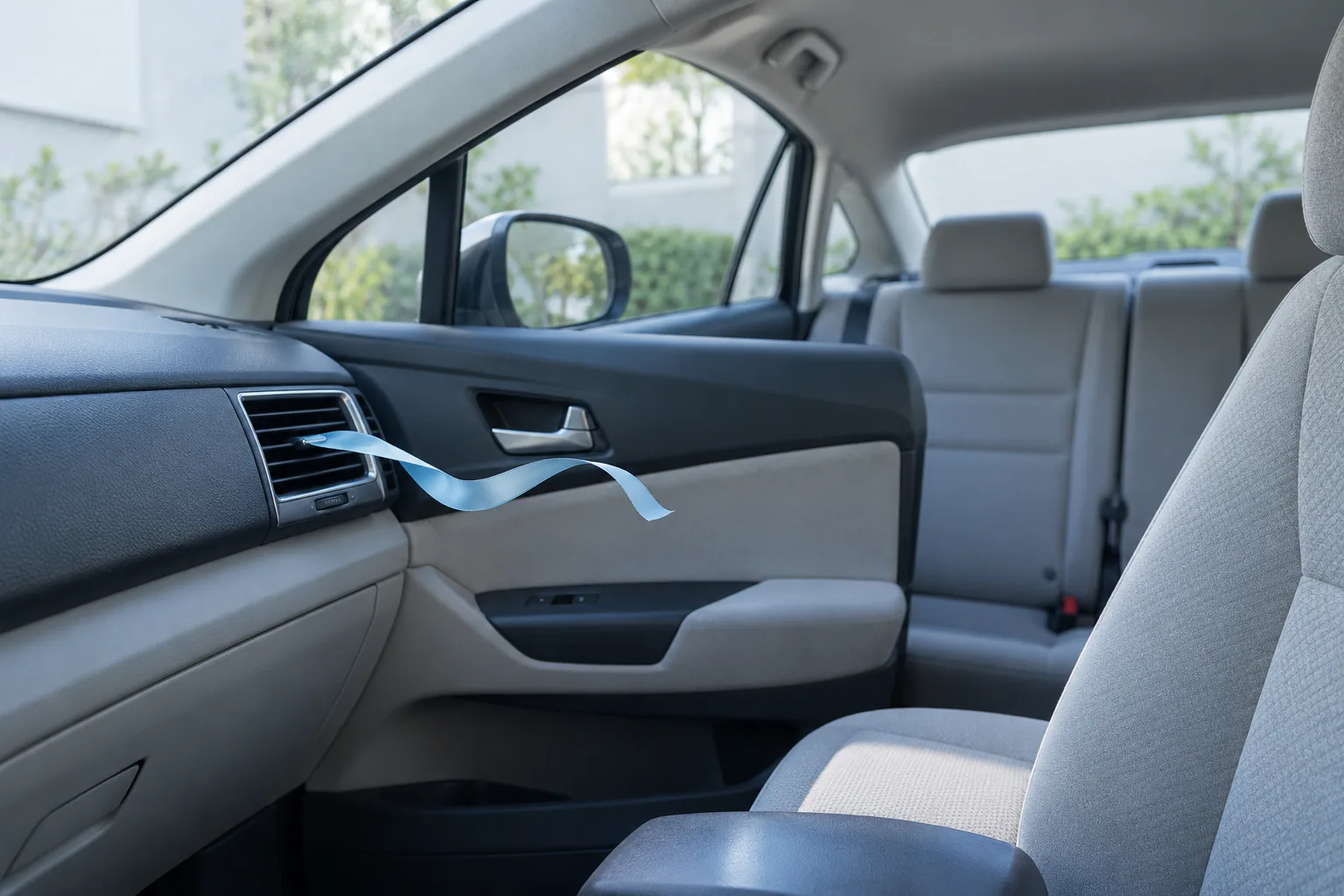
Test air-conditioning performance before travel, not only after passengers are loaded. Weak airflow can involve a cabin filter, but poor cooling, noise, odor, or a fault message can have other causes. Do not add refrigerant based on a guess; incorrect service can damage the system and may be regulated.
Cabin cooling is also a people-safety issue. NHTSA warns never to leave children alone in a parked vehicle, even with windows cracked. Check the back seat before locking, secure keys so children cannot enter, and make a passenger plan for older adults, children, people with health conditions, and pets.
Plan people, route, and supplies
Check the forecast, road conditions, traffic, charging or fuel stops, and mobile coverage. Allow extra time so heat and congestion do not create pressure to continue with a warning or fatigue. Share the route and estimated arrival time.
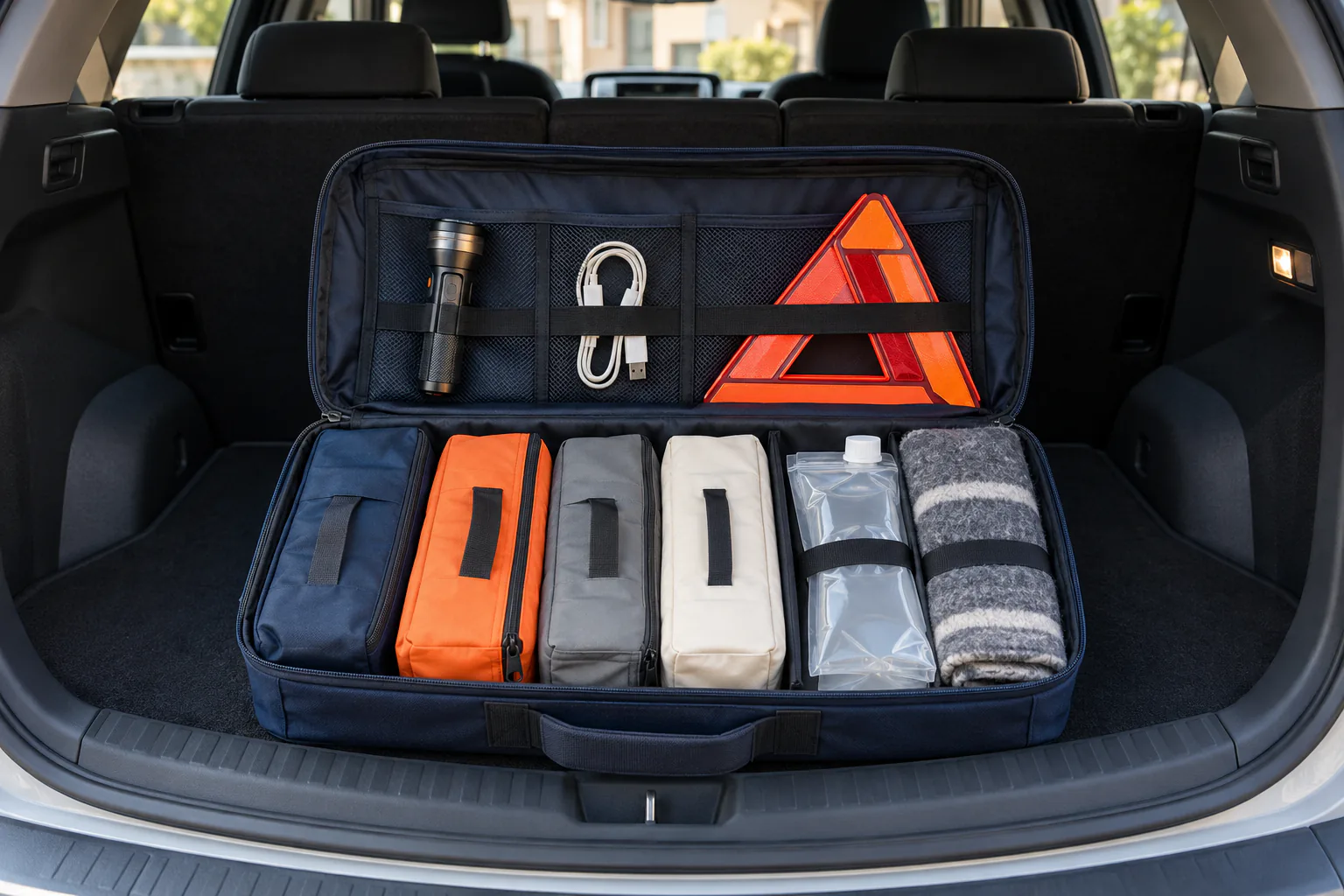
Carry a charged phone, drinking water, first-aid supplies, sun protection, and passenger-specific necessities. Store medicine and other temperature-sensitive items according to their instructions, not automatically in a hot trunk. Supplies support a delay but do not make extreme heat harmless.
Departure-day confirmation
On departure morning, check cold tire pressures, visible tire condition, the ground for fresh leaks, warning messages, coolant only if the manual permits a cold observation, lights, wipers, load security, route, and communications. Do not begin a complex repair just before leaving.
Delay the trip when a critical warning remains, a tire is damaged or repeatedly losing air, cooling-system condition is uncertain, braking or steering has changed, air conditioning is essential for a vulnerable passenger but does not work, or severe heat advice makes the route unsuitable. Hot-weather car care is successful when it creates time and choices—not when it pushes an uncertain vehicle farther from help.
After a hot trip, record anything that changed: a temperature warning, coolant odor, difficult restart, new tire-pressure loss, weak cabin cooling, or fluid spot. Recheck only after the vehicle reaches the safe condition specified by its manual. Heat-related symptoms that disappear overnight still belong in the service history; intermittent evidence can help a technician reproduce a fault before the next demanding drive.