An at-home inspection is most useful as a change detector. It can reveal a new cut in a tire, a fresh puddle, a blocked light, an unsecured floor mat, or a warning message that deserves action. It cannot certify roadworthiness or replace measurements and tests performed during a professional inspection.
Use this as a calm, parked-vehicle scan. Do not lift the car, crawl underneath it, dismantle brakes, open a hot cooling system, or turn a visual checklist into a roadside repair session.
Prepare a safe baseline
Choose a level, well-lit place away from traffic. Park, select the correct gear, apply the parking brake, and switch the vehicle off. Let the engine cool before opening the hood. Keep the key or keyless fob under your control so another person cannot start the vehicle.
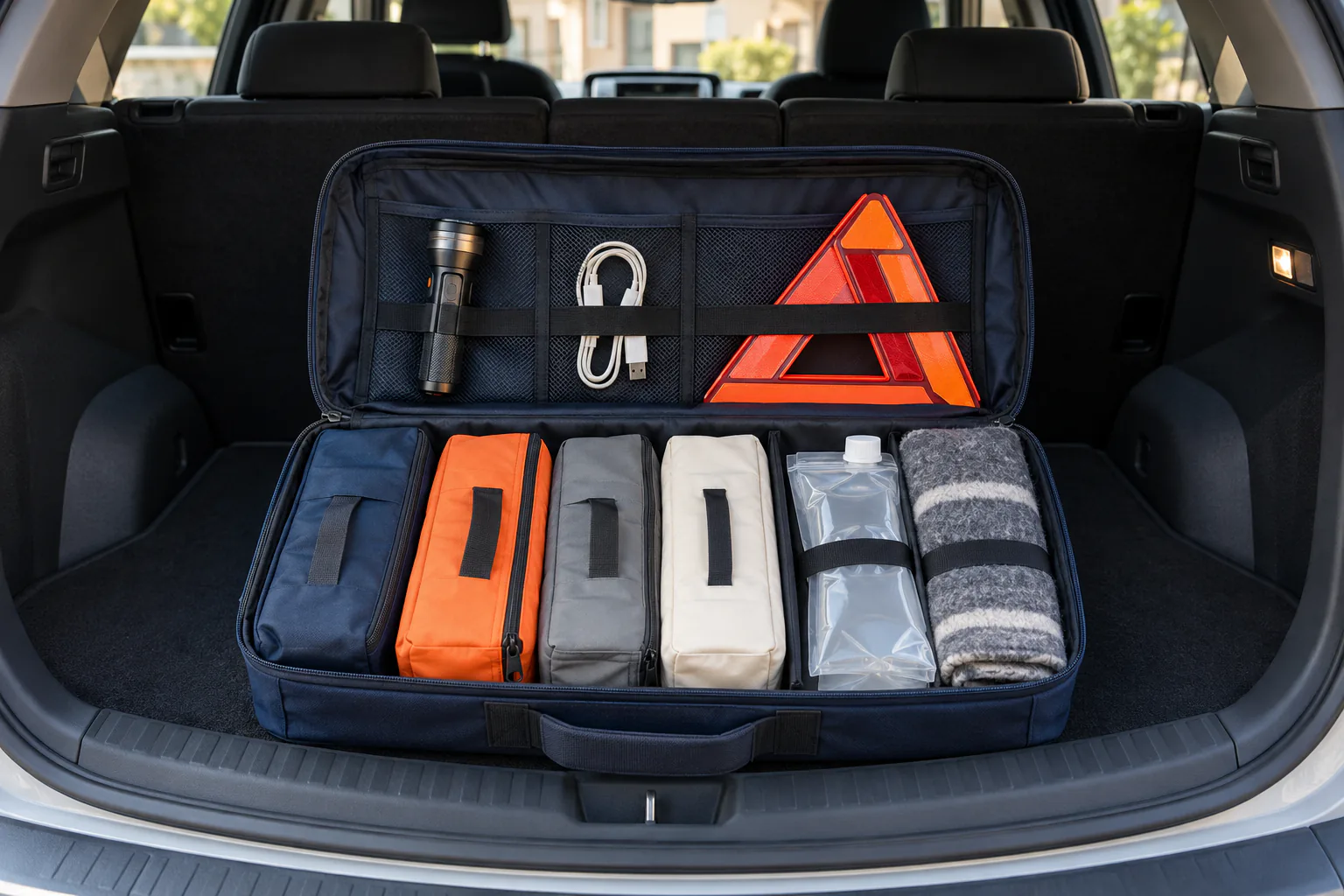
Bring the owner manual, a flashlight, a tire-pressure gauge if you plan a proper cold-pressure check, and the last inspection record. Note the date, mileage, weather, and whether the vehicle is truly cold. Remove loose clothing and jewelry before an engine-bay glance. For a hybrid or electric vehicle, identify high-voltage labels and excluded areas first.
Walk around the body and glass
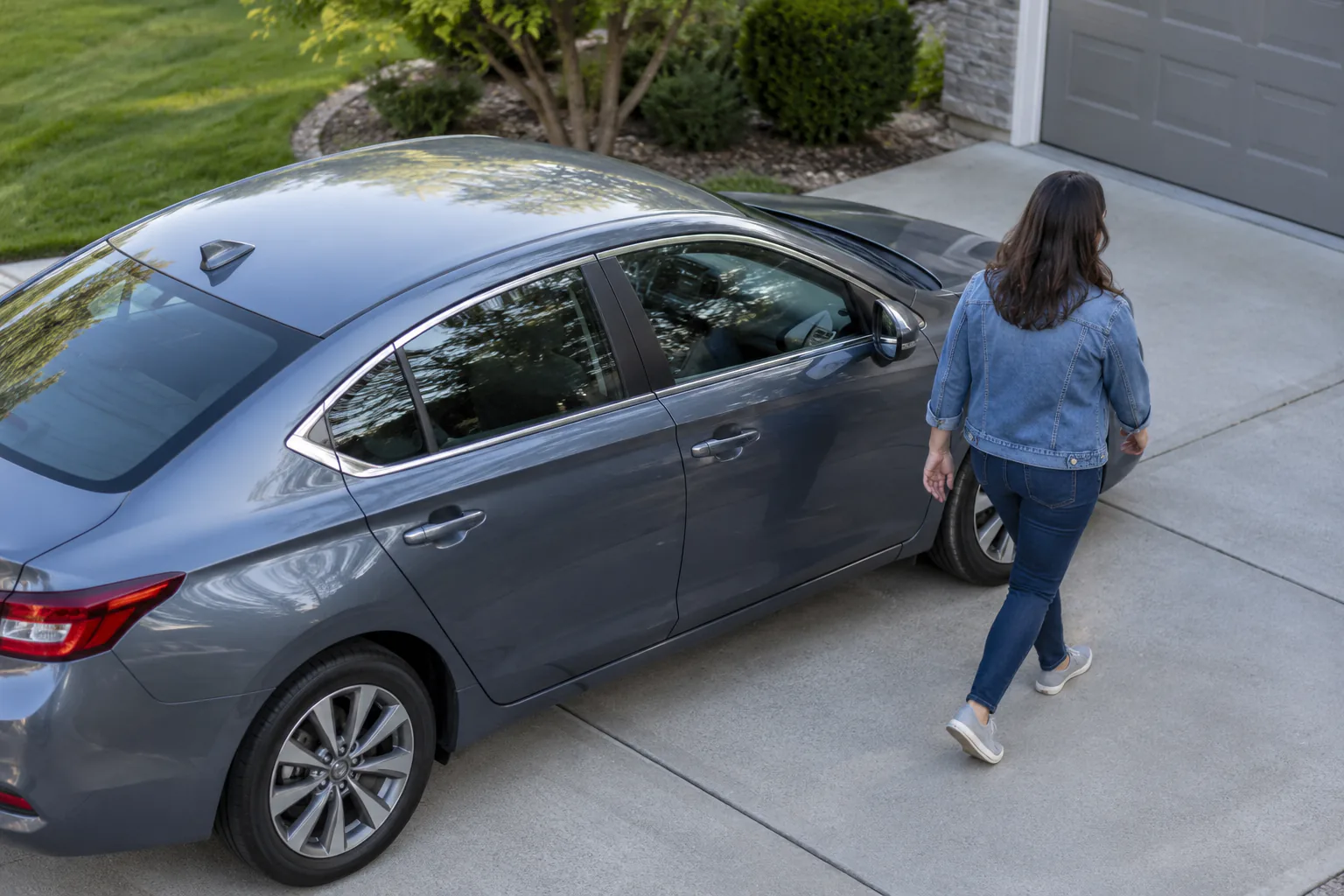
Begin several feet away. Look for a new lean, a door or hatch that is not fully closed, hanging trim, damage, or an object near the vehicle. Walk the full perimeter before moving it; cameras have blind zones and do not replace a direct check for children, pets, and obstacles.
Inspect the windshield and windows for new chips or cracks in the driver's view. Check mirrors, visible camera lenses, and exterior sensors for obvious dirt or damage without claiming that a clean lens proves calibration. Make sure license plates are present and unobstructed where required.
Examine wiper blades for torn, separated, or deformed rubber. Do not lift hidden wipers unless the manual describes a service position. Confirm washer nozzles are not visibly blocked and leave any adjustment to the vehicle procedure.
Tires and the ground
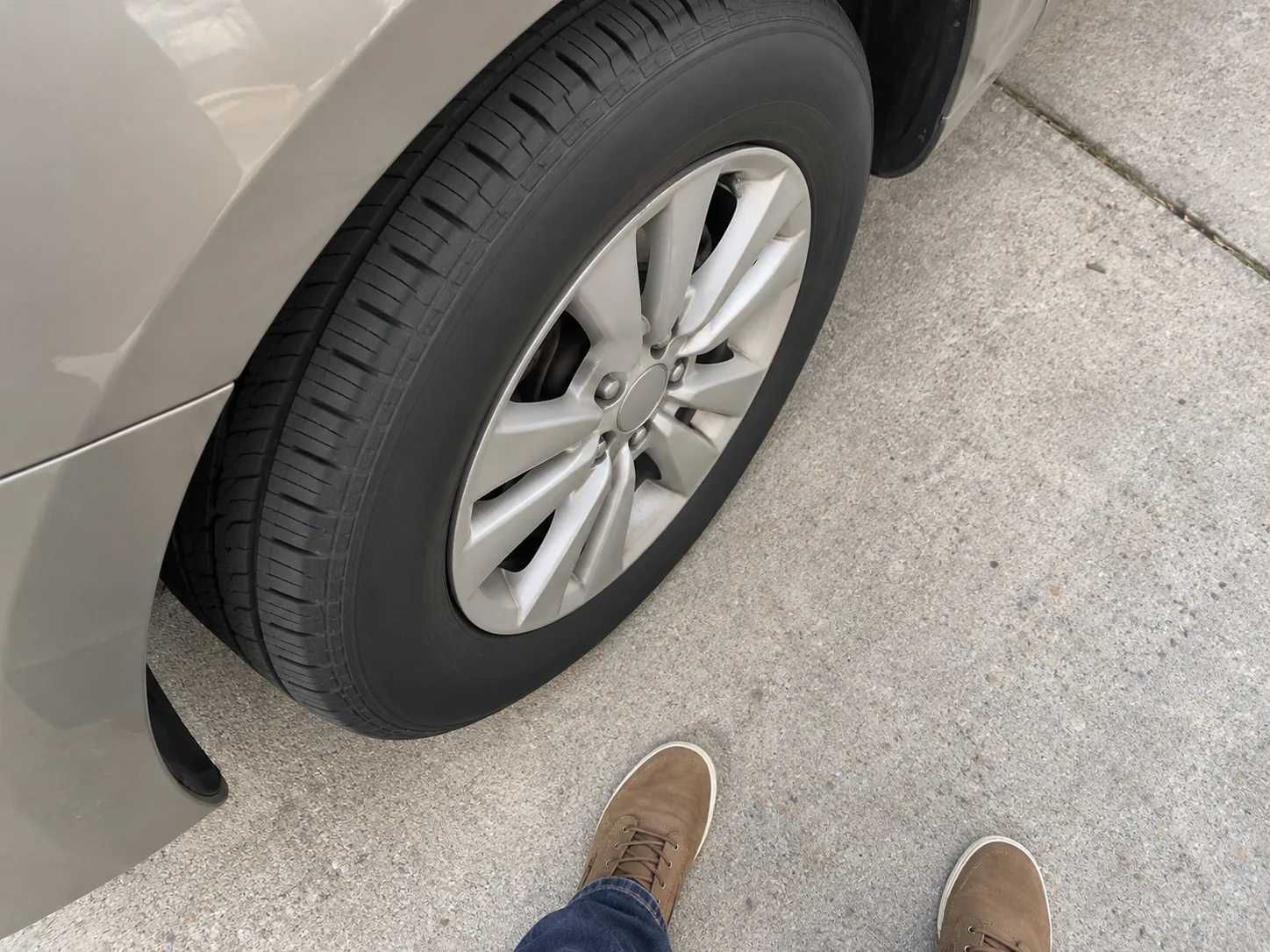
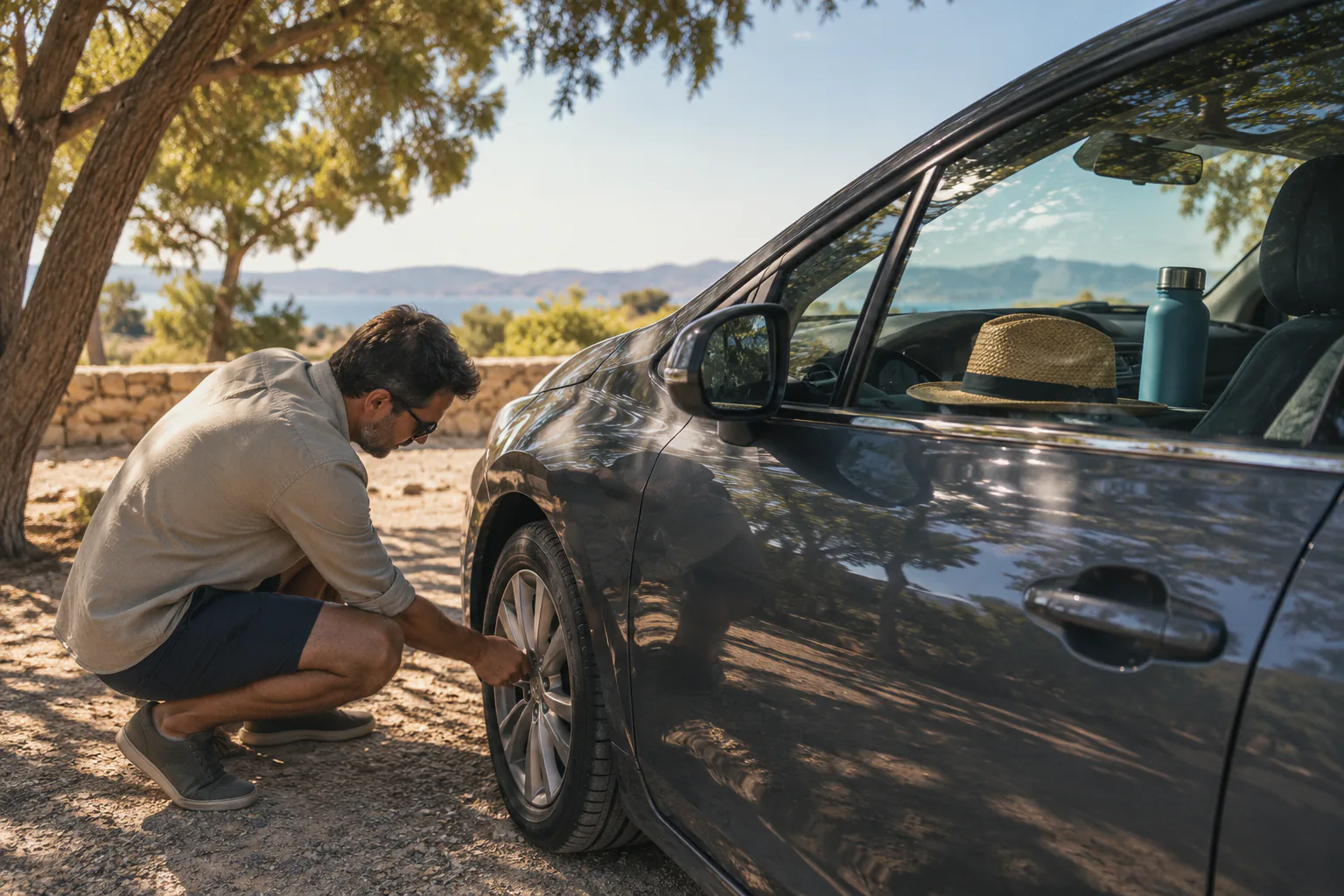
Look at every tire sidewall and tread area you can see. Note cuts, cracks, bulges, embedded objects, exposed material, or an obviously low tire. Check the spare if it is accessible without unloading the vehicle unsafely. A pressure measurement should be done cold and compared with the vehicle placard, not the maximum molded into the tire sidewall.
Scan across the tread for uneven wear and measure depth when needed. Do not place hands behind a wheel, and do not decide alignment or suspension faults from a pattern alone. Document the position and arrange measurement if wear differs across the tire or between tires.
Look at the pavement before moving the car. Record any wet area by its location, size, color, odor only from a safe distance, and whether it recurs. Clear water after air-conditioner use can be normal condensation, but an unknown, oily, brightly colored, or growing leak deserves identification. Never taste a fluid or crawl under the vehicle to trace it.
Check the cabin and controls
Remove loose objects from the driver's footwell. Make sure the floor mat is the correct size, secured by its retention points, and cannot interfere with the accelerator or brake pedal. Check seat belts for obvious damage and normal latching. Adjust the seat and mirrors before any later drive.
With the vehicle in its approved startup state, observe the instrument self-check and messages. Some lamps illuminate briefly and then turn off; the manual defines the expected sequence. Record symbols, colors, exact wording, sounds, and whether a message remains. Do not clear or dismiss evidence before it is understood.
Check the horn only where its use is lawful and considerate. Verify that doors, windows, and locks operate normally. A parking-brake indicator should match the brake's actual state, but do not use this parked inspection to judge dynamic braking performance.
Lights and visibility
Check low and high beams, tail lamps, brake lamps, turn signals, hazard flashers, license-plate lamps, and reversing lamps as applicable. Use a helper in a safe location, or observe reflections from a wall without placing anyone behind a vehicle that could move. Include trailer lights when towing.
Clean lenses gently and note moisture, cracks, or a lamp that differs from its mate. Some modern lighting systems are not owner-serviceable, and an illuminated lamp does not prove correct aim. Use the manual for bulb, LED, and aiming procedures.
Wet the windshield before a low-speed wiper test. Confirm smooth travel, normal parking, and useful clearing. A noisy or streaking blade needs closer inspection, but do not reach toward moving wipers.
Take a cold engine-bay glance
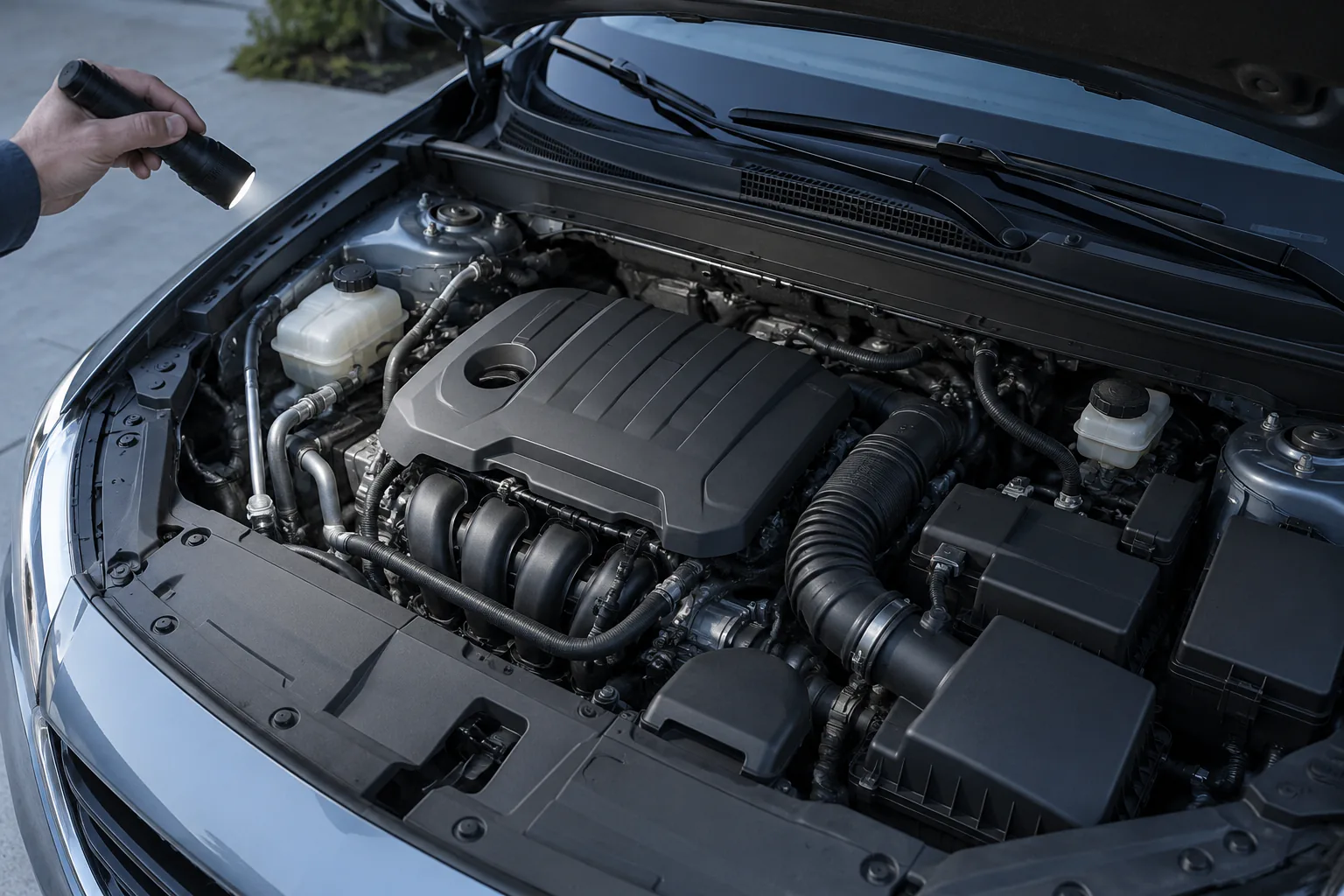
Open and support the hood exactly as the manual describes. Start at the perimeter. Look for tools, nesting material, leaves near heat sources, loose-looking caps, damaged insulation, or fresh wetness. Do not reach into restricted gaps or touch a belt, fan, hose, battery terminal, or high-voltage component.
Identify reservoirs by their labels and the manual. A visible level can be recorded only under the required vehicle and temperature conditions. Never open a hot coolant cap. Do not top up an unidentified reservoir, mix products, or assume low fluid is the whole problem; a repeated loss may indicate leakage or another fault.
Inspect visible 12-volt battery surroundings for swelling, leakage, damaged cables, or severe corrosion without touching deposits. On electrified vehicles, keep clear of orange cables and high-voltage enclosures. Close the hood firmly and verify it is latched.
Turn observations into actions
Classify each result. “No visible change” means record the check and continue the model-specific schedule. “Monitor” means photograph a minor change and set a definite recheck. “Schedule inspection” applies to a recurring leak, uneven wear, failed light, new noise, or unclear warning. “Stop” applies when the manual directs it or when braking, steering, tires, temperature, smoke, fuel, or severe leakage make operation uncertain.
Keep the record factual: location, measurement, message, photo, and time. A passed walk-around does not guarantee the car is safe, and a single unusual observation is not a diagnosis. The value of this routine is comparison—seeing what changed early enough to verify it properly.
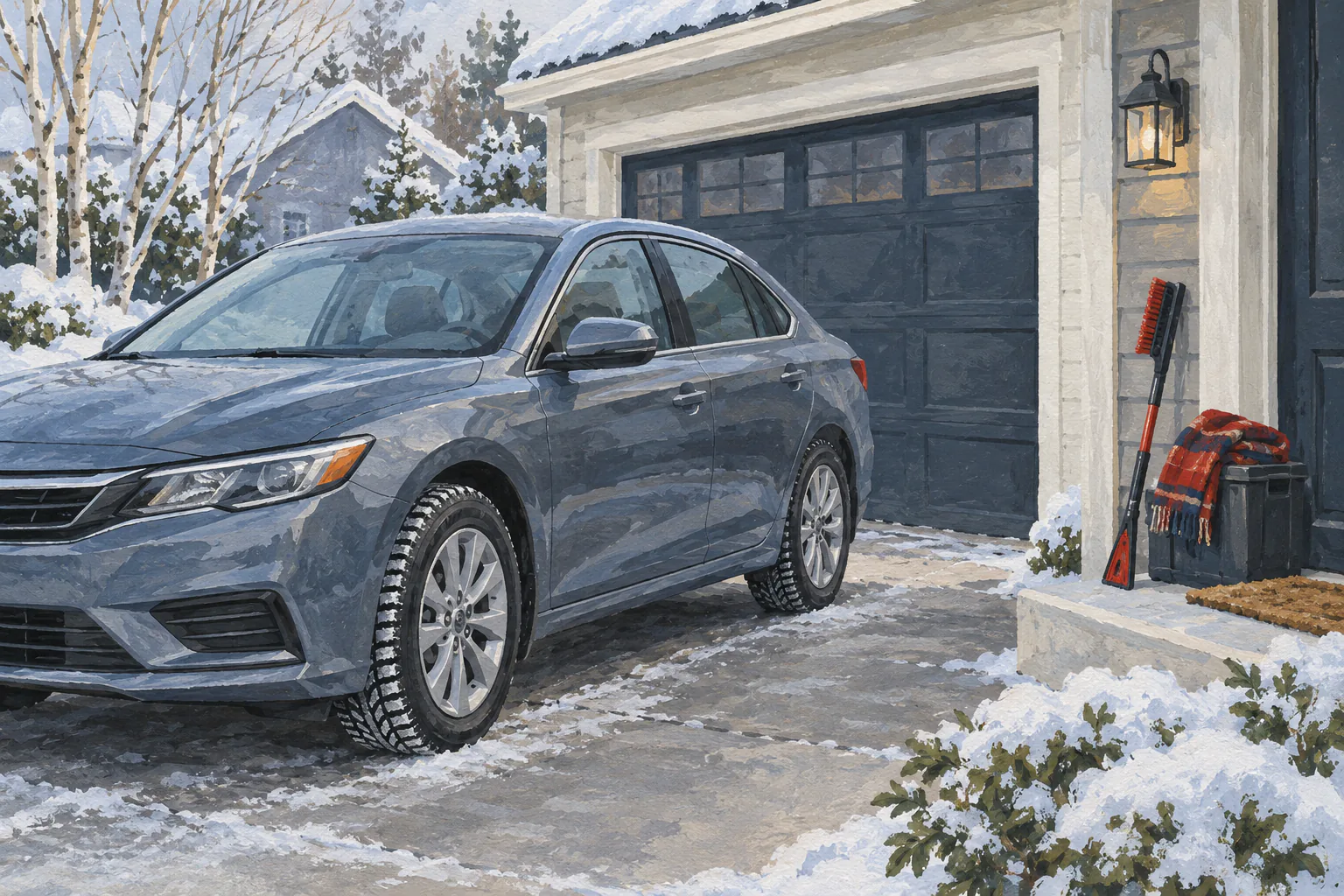
Use the same parking place and viewing order when practical. Consistency makes new stains, a changed ride height, missing fastener, or different tire appearance easier to notice. Photograph only stable, safely accessible areas; never position yourself where the vehicle could roll or another driver might move it.
Repeat the scan at a sensible routine interval and before demanding travel, while keeping factory service dates separate. An owner check does not replace scheduled inspections, recall repairs, emissions or safety inspections required by law, or professional evaluation after a collision, curb strike, flood exposure, overheating event, or warning-light episode.